


Asphalt Drum Mixer Buying Guide: 7 Things Every Road Contractor Should Know
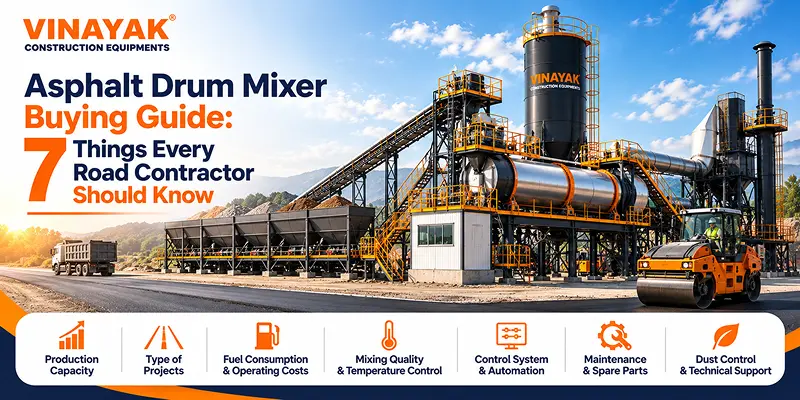
For road building, the asphalt must be heated, mixed and prepared for laying in the correct way. The quality of this process has an effect on the workability of the mix and the performance of the final road. For contractors who build highways, rural roads and other infrastructure projects, equipment selection is an important part of the planning process.
An Asphalt Drum Mixer is a machine where the processes of drying, heating, and mixing occur all at once in an uninterrupted manner. Not all plants are fit for all projects. It is necessary for the contractor to know their production needs before making investments.
What Is an Asphalt Drum Mixer?
An asphalt drum mixer plant is designed to produce hot mix asphalt through a continuous process. Aggregates are fed into the plant, dried and heated in the drum, and mixed with bitumen according to the required production arrangement.
Depending on the configuration, the system may include cold feed bins, conveyors, a drying and mixing drum, bitumen storage and supply equipment, a control panel, and dust collection systems.
The correct setup depends on the type of roadwork, production demand, material specifications, and site conditions.
7 Things to Check Before Buying
- 1. Production Capacity
Calculate the amount of asphalt your constructions need per hour. Inadequate capacity may cause the construction process to slow down, while excessive capacity will lead to unnecessary expenses.
Compare the claimed capacity by the producer to your production requirements. Consider also working hours, availability of materials, and the speed of work performed. - 2. Type of Projects
The workers working on lengthy highways could require something else compared to that working on small roads or road surfacing projects.
One should think about whether the equipment will be used for one site or many sites that would be located in different places. This would help determine whether to go for a stationary or a portable (mobile asphalt plant) configuration. - 3. Fuel Consumption and Operating Costs
The heating process requires energy, which means that fuel use is one of the factors that influence the price of asphalt manufacturing.
Enquire about the burner setup, insulation, operating conditions, and fuel use at certain conditions. Fuel consumption will depend on the moisture of the aggregate, temperature needs, type of fuel used, and operational methods.
Consider the total cost of operation and not just the initial cost of the plant. - 4. Mixing Quality and Temperature Control
The way aggregates are dried and heated, and how evenly they are mixed with bitumen, affects the quality of the asphalt that reaches the road. Ask how the plant manages aggregate drying, bitumen dosing, and mix temperature.
Check whether the operator can monitor temperatures during production. A plant that holds steady temperatures and mixes uniformly makes it easier to produce asphalt that can be laid and compacted properly. - 5. Control System and Automation
A good control system will assist operators to control production and monitor various stages of the manufacturing process. Based on the type of machine, some of the controls offered by the facility include programmable logic controls, electronic weighing, among others.
Select a control system that will fit your operational needs as well as those of your workforce. Simple controls will make operation much easier. - 6. Maintenance and Spare Parts
Regular maintenance is essential for reliable production. Before purchasing, review access to the drum, conveyors, bearings, burners, and other serviceable components.
Ask about maintenance schedules, replacement parts, and technical assistance. A design that allows convenient inspection and servicing can help reduce avoidable downtime. - 7. Dust Control and Technical Support
Asphalt production produces dust; hence it is important to have proper dust collection and pollution control systems in place. Ensure that the equipment design conforms to environmental specifications.
Installation support, operator training, spare parts provision, and after sales service need to be considered. These services can make a difference when equipment needs attention during a project.
Asphalt Drum Mixer Solutions from Vinayak
Vinayak Construction Equipments provides asphalt drum mix plants in both stationary and mobile forms. The company has a wide array of products that are designed according to varying production needs, with varying control systems and maintenance access options.
When choosing an asphalt drum mixer plant, it is important to make sure that you consider the specifications of the available products in comparison to your production expectations, fuel needs, and time frame.
Conclusion
The right asphalt drum mixer can help road contractors to control better the production of asphalt. The drum's production capability, mixing properties, fuel consumption, transportation, maintenance, and technical support are essential to consider before buying. Looking for the best asphalt drum mix plant for your road construction project? Reach out to Vinayak Construction Equipments.


.png)