

Mobile Asphalt Plant: Build Smarter, Faster & Anywhere
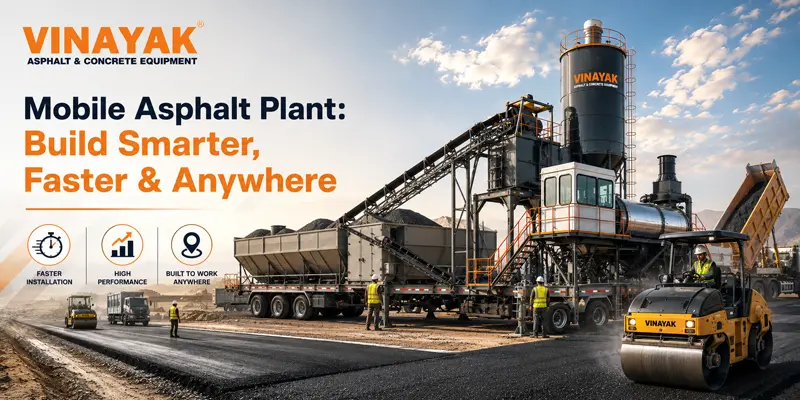
In the current rapid development construction industry, we pay attention to efficiency, mobility, and cost-effectiveness, in construction of highways, rural roads, and infrastructure in some special areas and remote regions, the use of a Mobile Asphalt Plant has provided an excellent solution.
What is a Mobile Asphalt Plant?
A Mobile Asphalt Plant differs from stationary plant by being portable. That means you can transport and assemble the plant at the location of the asphalt installation. This can bring down transporting costs and deliver high quality, fresh asphalt for each installation.
What Makes a Mobile Asphalt Plant Different?
A conventional asphalt plant is built once and stays put for years. A mobile asphalt plant, on the other hand, is designed to be trucked in, set up, and running within days rather than weeks. For contractors juggling highway projects, rural road contracts, or short-term government tenders spread across districts, that difference changes the entire economics of a job. You are not paying to move tonnes of finished mix; you are moving one compact unit and mixing on site.
Vinayak's mobile units come with foldable or skid-mounted components, a self-contained control cabin, and a burner system tuned for consistent heating even when ambient conditions swing between a humid monsoon morning and a dusty afternoon. The aggregate bins, dryer drum, and mixing unit are arranged so the whole plant can be dismantled and re-erected without a small army of technicians.
Where Mobility Actually Pays Off
Think about a hill-road widening project in a district with no existing asphalt supplier nearby. Trucking hot mix over switchback roads means it cools, segregates, and sometimes arrives unusable. Set up a mobile asphalt plant at the site instead, and the mix goes straight from drum to paver while it is still at the right temperature. The same logic applies to airport runway repairs, rural connectivity schemes, and disaster-relief road rebuilding, where deadlines are tight and there is often no local plant to lean on.
Fuel savings compound quickly too. Every kilometre a truck does not travel is diesel that stays in the tank and a mix that reaches the paver hotter and more workable.
Capacity without the Compromise
A common assumption is that portability means giving something up on output. That is not really true anymore. Vinayak's mobile asphalt plants are available across a range of capacities, so a contractor running a 60 TPH job and one running 120 TPH can both find a configuration that fits, without hauling around more steel than the project needs.
Maintenance is simpler as well, since fewer fixed foundations and civil structures mean fewer things that can crack, settle, or need repair between seasons.
Choosing the Right Mobile Asphalt Plant
Before signing a purchase order, it is worth asking a few blunt questions:
- How many hours does setup actually take on uneven ground, not the brochure figure?
- What is the real fuel consumption per ton?
- Can the burner hold temperature during a sudden rain shower?
These are the details that decide whether a plant earns its keep over a five-year contract cycle or becomes dead weight parked at a yard.
The Bottom line
Vinayak Construction Equipment’s has been building road construction machinery for road contractors across India and export markets for years, and our mobile asphalt plants reflect that field experience rather than a catalog spec sheet.
If your next project needs a plant that can move as fast as your schedule does, get in touch with our team.


.png)